Moreover, a recent systematic comparison examining gene expression changes found that temporal gene response patterns to trauma, burns, and endotoxemia in mouse models correlated poorly with the human conditions (Seok, Warren et al. 2013). Nonhuman primates, on the other hand, voluntarily consume different amounts of alcohol and allow us to conduct studies in an outbred species that shares significant physiological and genetic homology with humans while maintaining rigorous control over diet and other environmental cues. Moreover, immune systems of several nonhuman primate species are similar to those of humans and these animals are susceptible to several clinically important pathogens making them a valuable model to study the impact of ethanol on immunity (Hein and Griebel 2003). Costly requirements such as dedicated facilities to house the animals, experienced personnel to perform specialized procedures, and compliance with high standards of care must be considered. Ethanol consumption by weanling ICR (outbred) mice (adjusted to 6% in their drinking water) for 8 weeks also resulted in 75% fewer CD3+ T cells (Percival and Sims 2000). Likewise, male rats fed an ethanol-containing liquid diet (8.7% v/v for up to 4 weeks) experienced a progressive loss of both CD4+ and CD8+ T cells (Boyadjieva, Dokur et al. 2002).
Impact of Alcohol Abuse on the Adaptive Immune System
In summary, several in vitro and in vivo studies demonstrate that ethanol modulates the function of innate immune cells (monocytes and DCs) in a dose and time dependent manner (Figure 1). Acute high dose exposures inhibit whereas long-term treatments stimulate proinflammatory cytokine production. In addition, in vivo consumption of moderate amounts enhances phagocytosis and reduces inflammatory cytokine production whereas chronic consumption of large doses inhibits phagocytosis and production of growth factors. Regular alcohol consumption, especially in large quantities, can lead to various health issues, including liver damage, increased infection risk, and a weakened immune system. These factors can make individuals more susceptible to frequent colds and prolonged congestion. Moreover, alcohol can interfere with the effectiveness of certain cold medications, potentially causing adverse reactions.
Short-term effects of alcohol on the immune system
Therefore, there is a pressing need for in depth studies that examine dose-dependent effects of chronic ethanol consumption on immunity in vivo to allow for the complex interactions between ethanol, its metabolites, HPA signaling, nutritional deficiencies, and the immune system. The average amount of alcohol intake per drinker in the United Kingdom (U.K.) and Spain, where the above mentioned 2 studies were conducted, is more than 1.5 times higher than that in Japan 8. In addition, in these countries, wine and beer are the most frequently consumed beverage types 8. If alcohol per se has a potential role in reducing common cold incidence, the risk reduction may not depend upon the type of alcoholic drinks but on the amount or the frequency of alcohol intake. Much progress has been made in elucidating the relationship between alcohol consumption and immune function and how this interaction affects human health. Normal immune function hinges on bidirectional communication of immune cells with nonimmune cells at the local level, as well as crosstalk between the brain and the periphery.
Alcohol and the Immune System
First, it’s important to understand that our immune system is responsible for protecting our body from harmful bacteria and viruses. It works by recognizing and attacking foreign substances that may cause damage or infection. However, when when you use/abuse alcohol your resistance to colds increases the immune system is compromised, it becomes less effective in fighting off these invaders.
The Potential Benefits of Alcohol for Cold and Flu Symptom Relief
- Alcohol-related alterations of immune surveillance also have been implicated in the development of cancer (Poschl and Seitz 2004).
- While a hot toddy may provide temporary comfort due to its warmth, there is no scientific evidence that it cures a cold, and alcohol can hinder recovery.
- Alcohol consumption also damages epithelial cells, T cells, and neutrophils in the GI system, disrupting gut barrier function and facilitating leakage of microbes into the circulation (see the article by Hammer and colleagues).
- In contrast, ethanol exposure did not significantly affect the development of the lytic functions of NK cells (Wolcott et al. 1995).
- Meadows and Zhang discuss specific mechanisms through which alcohol interferes with the body’s immune defense against cancer.
Thus, mice that were chronically fed ethanol generated a weaker antibody response following vaccination with HCV compared with control mice (Encke and Wands 2000). Abstinence partially restored antibody responses against hepatitis antigens in a mouse model (Encke and Wands 2000). T cells constitute a diverse population of lymphocytes that develop in the bone marrow and mature in the thymus. Each T cell expresses a unique T-cell receptor (TCR) that confers specificity for one particular foreign molecule (i.e., antigen). Early studies already had indicated that chronic alcohol abuse (i.e., for 12 to 15 years) resulted in reduced numbers of peripheral T cells (Liu 1973; McFarland and Libre 1963). More recent studies confirmed this observation and showed that the lack of lymphocytes (i.e., lymphopenia) was as severe in people who engaged in a short period of binge drinking as it was in individuals who drank heavily for 6 months (Tonnesen et al. 1990).
- This contrast underscores why alcohol is counterproductive when trying to alleviate cold symptoms.
- According to the Cleveland Clinic, once you take a sip of alcohol, your body prioritizes breaking down alcohol over several other bodily functions.
- In contrast, both acute (24 hours) and prolonged (7 days) exposure to low and high concentrations of acetaldehyde reduce TNF-α secretion by primary rat astrocyte (Sarc, Wraber et al. 2011).
- Let’s take a closer look at how alcohol affects our immune system and what you can do to protect yourself this season.
- Another aspect to consider is dehydration, a common side effect of alcohol consumption.
Additionally, alcoholics often face lifestyle factors such as poor nutrition, inadequate sleep, and increased stress, which further compromise their ability to resist illness. As a result, while alcoholics may not catch colds Sober living house more often, they are more likely to experience severe symptoms and prolonged recovery times when they do fall ill. Studies over the last 30 years have clearly demonstrated that chronic ethanol abuse impairs the functions of both T cells and B cells.
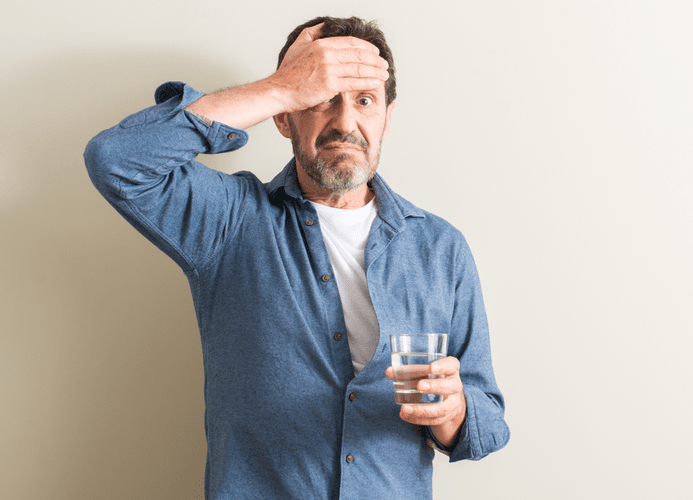
Alcohol Increases The Risk Of Cold Injury
It is recommended to limit alcohol consumption to moderate levels, which means no more than one drink per day for women and two drinks per day for men. It’s also important to prioritize getting enough quality sleep, as lack of sleep can compromise our immune system’s ability to function properly. It’s no secret that excessive alcohol consumption can have detrimental effects on our overall health. While many people are aware of the negative impact alcohol can have on the liver, heart, and brain, few may realize that it can also weaken our body’s ability to fight off viruses, including the common cold and flu.
Sleep quality with alcohol use
The immune system is a complex network of cells, tissues, and organs that work together to identify, attack, and eliminate harmful pathogens such as viruses. One of the key components of the immune system is white blood cells, which play a crucial role in recognizing and destroying invading viruses. Additionally, excessive alcohol consumption can deplete important nutrients in our body, such as vitamin C, vitamin A, and zinc. These nutrients are crucial for a properly functioning immune system, and when they are lacking, our defenses become compromised.
Another aspect to consider is dehydration, a common side effect of alcohol consumption. Dehydration can worsen cold symptoms like a sore throat or nasal congestion, and it https://mycourse.my/is-ibuprofen-addiction-real-ps-health/ can also contribute to sleep disturbances. Waking up frequently due to thirst or discomfort can prevent you from achieving deep, restorative sleep stages.
Mental health

During a cold, the body relies on this restorative phase to fight infection, but even moderate alcohol consumption—defined as up to two drinks for men and one for women—can reduce REM sleep by 20-30%. Another aspect of cell-mediated immunity that is affected by ethanol consumption is the delayed-type hypersensitivity (DTH) response. DTH refers to a cutaneous T-cell–mediated inflammatory reaction that takes 2 to 3 days to develop. One early study (Lundy et al. 1975) showed defects in cell-mediated immunity in male alcoholic patients admitted for detoxification, in response both to a new antigen and to an antigen to which they had previously been exposed. A more recent study (Smith et al. 2004) reported that a negative correlation existed between the amount of alcohol consumed by the participants and the size of DTH skin test responses to a specific antigen (i.e., keyhole limpet hemocyanin).