Understanding gambling A beginner's guide to the basics
What is Gambling?
Gambling is the act of wagering money or valuables on an event with an uncertain outcome, primarily for the purpose of winning additional money or material goods. This practice has existed for centuries and is found in various forms across cultures, from ancient betting games to modern casinos. It encompasses various activities, including sports betting, poker, and lottery games, each with its own rules and strategies. Many enthusiasts explore intricate strategies while engaging in these activities and some even turn to resources like aviator india to enhance their understanding.

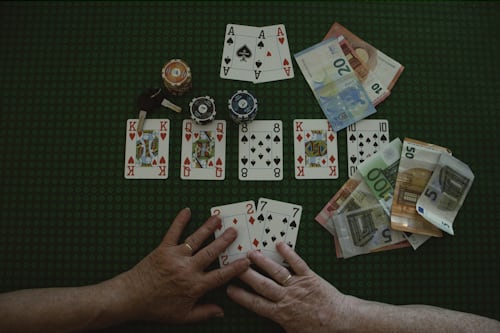
At its core, gambling involves risk and chance. Individuals place bets based on their predictions of an event’s outcome, relying on luck or skill. Whether it’s rolling dice, playing cards, or spinning a roulette wheel, the thrill of uncertainty fuels the desire to participate. Understanding the underlying mechanisms of gambling can help newcomers navigate its complexities, balancing enjoyment with responsibility.
Moreover, gambling can serve different purposes in people’s lives. For some, it is a source of entertainment or a social activity shared with friends. Others may view it as a way to earn extra income, while some may face challenges related to addiction. Recognizing these diverse motivations can provide insight into the cultural significance of gambling in society.
The Different Types of Gambling
There are numerous forms of gambling, each offering distinct experiences and challenges. The most common types include casinos, sports betting, lotteries, and online gambling. Casinos provide a rich environment filled with slot machines, table games, and entertainment options, allowing players to engage in various games under one roof. The ambiance often enhances the thrill, attracting both casual players and high rollers.
Sports betting, on the other hand, focuses on predicting the outcome of sports events. This type of gambling has gained immense popularity, especially with the rise of online platforms that offer real-time betting options. Here, knowledge of the sport, teams, and players plays a crucial role, enabling informed decisions to maximize potential winnings.
Lotteries provide a different experience, relying on chance and typically offering substantial jackpots. Many people participate in lotteries for the dream of hitting it big, often with minimal investment. Online gambling has revolutionized the industry, allowing players to access games from anywhere, anytime. Understanding these different forms of gambling equips beginners with the knowledge to make informed choices about their engagement.
The Psychology Behind Gambling
The psychology of gambling is a fascinating subject that delves into why individuals are drawn to betting activities. Various factors influence a person’s decision to gamble, including thrill-seeking behavior and the allure of potential rewards. Many gamblers experience a rush of adrenaline when placing bets or anticipating outcomes, which can create an addictive cycle of behavior.
Additionally, cognitive biases play a significant role in gambling. Concepts like the illusion of control can lead players to believe they can influence outcomes, despite the inherent randomness of most games. This mindset can increase participation rates, as individuals may perceive themselves as more skilled than they actually are. Recognizing these psychological factors is vital for understanding how gambling can affect behavior and decision-making.
The impact of social and cultural influences cannot be overlooked either. In some cultures, gambling is viewed as a traditional practice tied to festivities, while in others, it may carry a stigma. Understanding these dynamics can provide valuable insights into how gambling is perceived and practiced worldwide, highlighting the importance of cultural context in shaping individual experiences.
The Risks and Responsibilities of Gambling
While gambling can be an enjoyable pastime, it is crucial to acknowledge the potential risks involved. One of the most significant concerns is the likelihood of developing gambling addiction. The thrill of winning can lead some individuals to chase losses, causing a cycle of increased betting that can negatively impact their financial stability and mental well-being.
To gamble responsibly, setting limits on time and money spent is essential. Establishing a budget before engaging in any gambling activity can help individuals maintain control over their expenditures. Additionally, recognizing the signs of problematic gambling behavior—such as increased secrecy, neglecting responsibilities, or experiencing emotional distress—can facilitate early intervention and support.
Support resources are available for those who find themselves struggling with gambling-related issues. Organizations and hotlines provide counseling and assistance for individuals and families affected by gambling addiction. Education about responsible gambling practices can empower players to make informed decisions and enjoy gaming without adverse consequences.
Exploring Cultural Perspectives on Gambling
Gambling exists in diverse cultural contexts, each with unique beliefs and practices surrounding the activity. In some cultures, gambling is celebrated as a form of entertainment, integral to social gatherings and celebrations. In contrast, other societies may impose strict regulations or view gambling as morally ambiguous, affecting how individuals engage in such activities.
For instance, in countries like Macau and Las Vegas, gambling is a major tourist attraction, significantly contributing to the local economy. These destinations often embrace their gambling culture, promoting it as a form of leisure and excitement. Conversely, regions with stricter gambling laws may see underground betting activities flourish, highlighting a tension between legal frameworks and cultural practices.
Understanding these cultural perspectives enhances appreciation for the complexities of gambling. By recognizing how beliefs shape attitudes toward betting, one can better navigate the social dynamics of gambling in different settings. This awareness fosters an inclusive environment for discussions about gambling’s role in society and individual lives.
Conclusion and Resources for Beginners
For beginners looking to delve into the world of gambling, understanding its complexities is essential. This guide has covered the basics, from the various forms of gambling to the psychological aspects and cultural influences. By equipping oneself with knowledge, new players can make informed choices, enhancing their overall experience while minimizing potential risks.
Many resources are available for those interested in learning more about responsible gambling practices. Websites offer educational materials, support services, and strategies for maintaining a healthy relationship with gambling. Engaging with these resources can provide invaluable insights, helping individuals to navigate their gambling journey responsibly and sustainably.